Book Recommendation Round-up – No.3

Hello again from Ottoman Encounters!
I’ve been recommending books on Ottoman and Middle Eastern history on my Notes feed for a while now.
But since I know not everyone uses Notes on Substack, I’ve launched a new feature: a book-recommendation round-up, which I send out to you directly as a post.
This is the third installment of the series. If you’ve missed the first two, you can check them out in the links below.


I’ll include links to the books in case you want to explore them in more detail. I don’t, however, have any affiliations with the publishers.
Having said that, here are my picks for this issue:
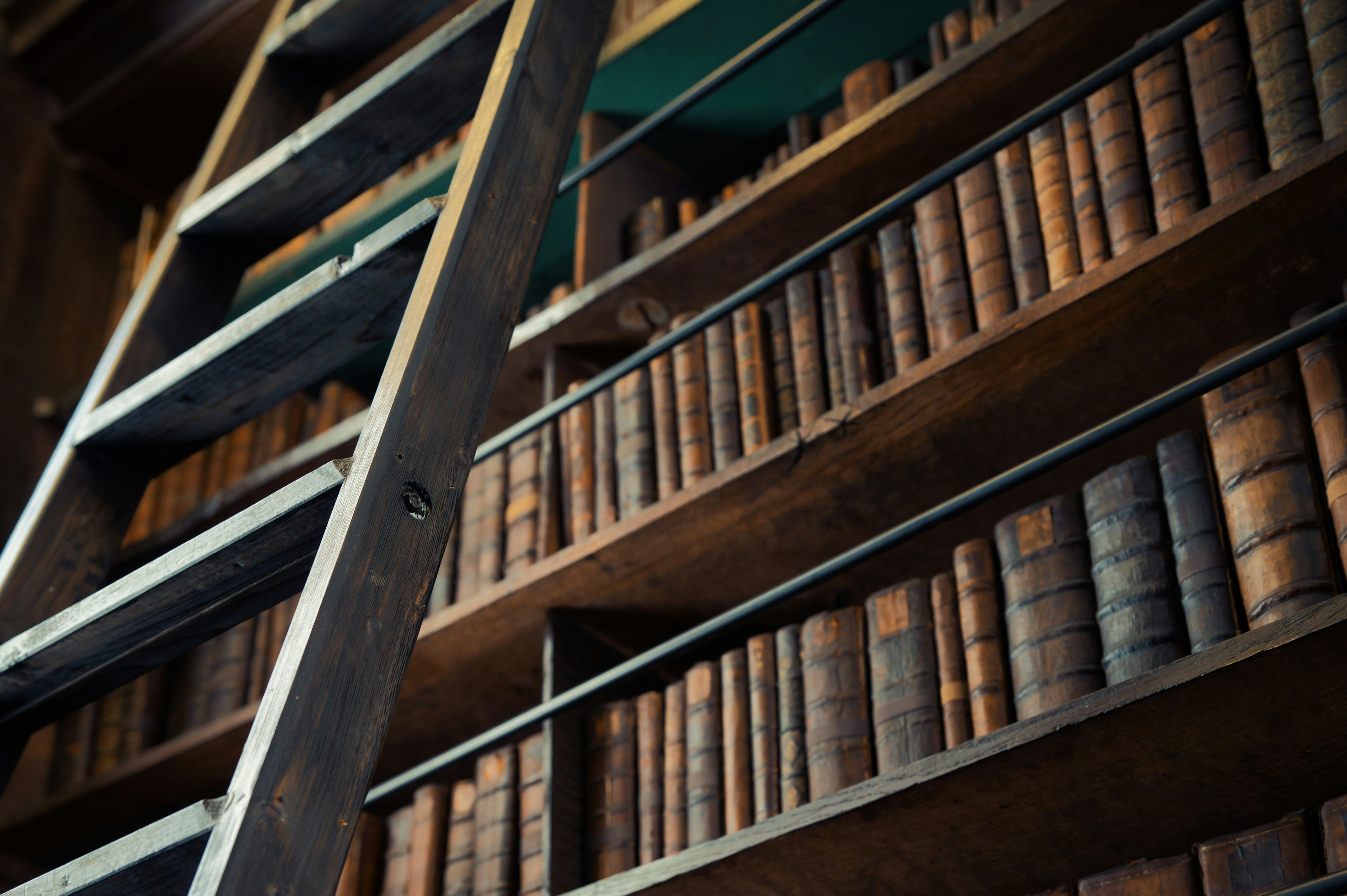
Virginia Aksan – The Ottomans, 1700–1923: An Empire Besieged, Routledge, 2022
What it is: An important work on the late Ottoman Empire, covering its history from the 18th century until the its collapse at the end of World War I.
Why it matters: Aksan goes beyond the conventional “decline” paradigm, demonstrating how Ottoman reformers continuously adapted to internal and external pressures. The book gives a comprehensive account of the empire’s long 18th and 19th centuries.
Who it’s for: Readers looking for an authoritative survey of the late Ottoman Empire that combines military, political, economic, and social history.
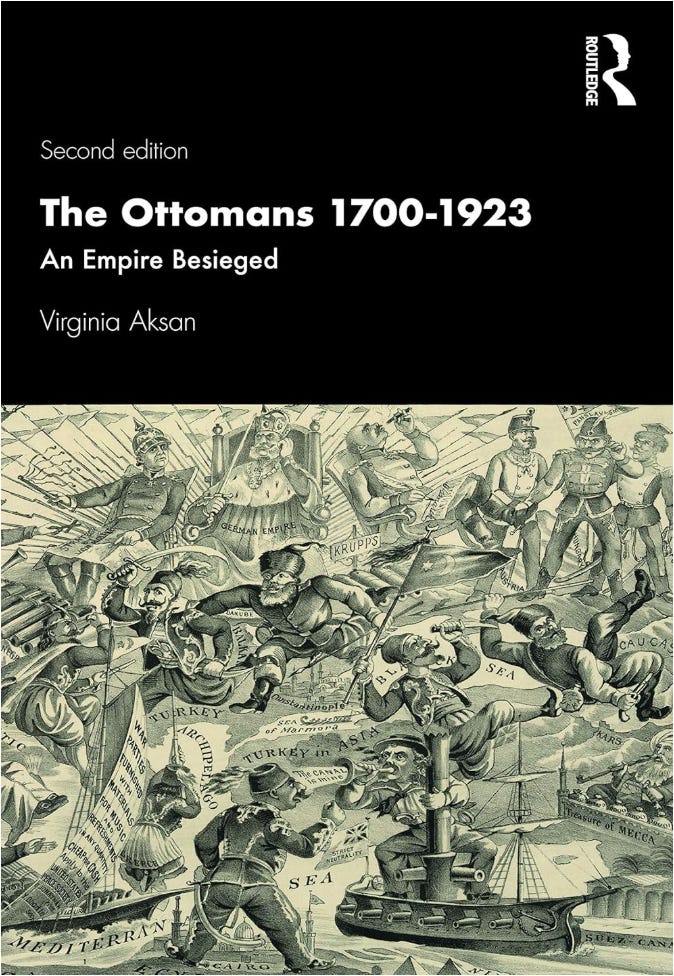
Mostafa Minawi – Losing Istanbul: Arab-Ottoman Imperialists and the End of Empire, Stanford University Press, 2023
What it is: An important study of Arab-Ottoman elites who served the empire until its collapse after World War I.
Why it matters: Minawi challenges nationalist narratives and explores how the Arab-Ottoman elites remained loyal imperial subjects even as the empire disintegrated. It demonstrates how identity and self-identification were layered concepts shaped within the framework of the empire.
Who it’s for: Those interested in the idea of nationalism and self-representation during the final decades of the Ottoman Empire.
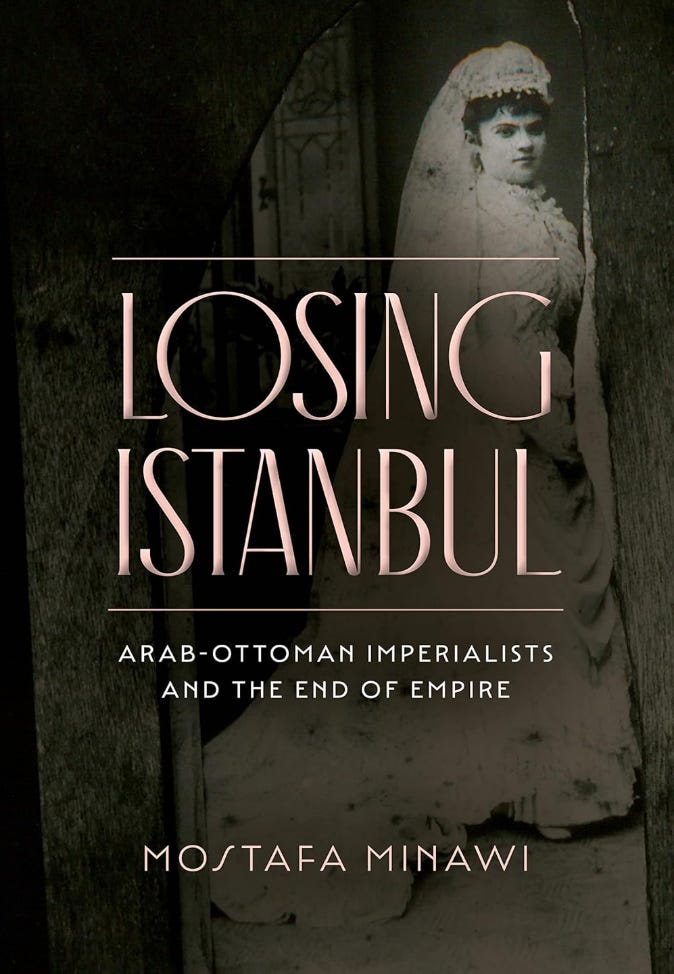
Yaron Ayalon – Natural Disasters in the Ottoman Empire: Plague, Famine, and Other Misfortunes, Cambridge University Press, 2014
What it is: A valuable study of how the Ottoman state and society responded to natural and human-made disasters between the 16th and 19th centuries.
Why it matters: Ayalon traces the relationship between environmental crises, state capacity, and social resilience, demonstrating that disasters often served as catalysts for reforms in Ottoman institutions.
Who it’s for: Anyone interested in Ottoman environmental history and social history.
What I’m Working On
I’m drafting the final lecture (Week 10) of my online course on Ottoman history. Once I’m done with it, I’ll move on to the production phase. I’m really excited about it!
I’m also thinking about writing a short piece on the Ottoman Tulip Age (1718-1730), which is usually seen as a period of decadence, over-indulgence, and superfluous consumption, but in reality, was much more than that.
Thank you very much for reading, and please let me know what you think of these picks.
Until next time.